
Early 2000s - The Lovelace Test
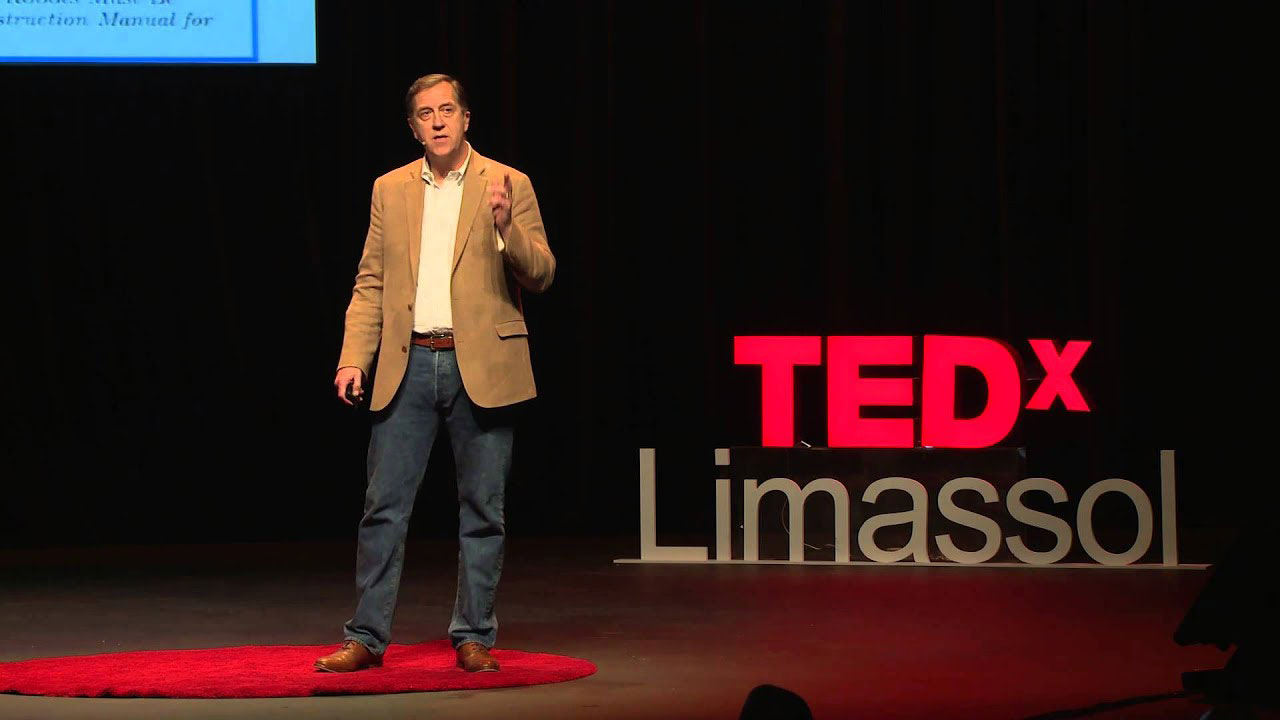
In the early 2000’s, Professor Selmer Bringsjord (born 1958), current chair of the Department of Cognitive Science at Rensselaer Polytechnic Institute and a professor of Computer Science and Cognitive Science, created a test to rival the Turing test and named it The Lovelace Test.
Bringsjord is not a fan of the Turing test and states:
“Turing’s claim that ‘computers do take us by surprise’ is only true when ‘surprise’ is given a very superficial interpretation. For, while it is true that computers do things that we don’t intend them to do—because we’re not smart enough, or because we’re not careful enough, or because there are rare hardware errors, or whatever—it isn’t true that there are any cases in which we should want to say that a computer has originated something.”
The Lovelace test, “requires that a computer show creativity that is clearly independent of its programming” (Mind Matters).
“Ada Lovelace had a deep, accurate understanding of what computation is. At least, mechanical, standard computation. I care about what she thought was a big, missing, and perhaps eternally missing, piece in a computing machine, that it could not be creative.” The Lovelace test has never been met. (Mind Matters).
In 2020, has any machine passed the Lovelace Test? The short answer, no. The long answer, and what it would take to convince Professor Bringsjord that it had passed comes from a recent article in Mind Matters, “Thinking Machines? Has the Lovelace Test Been Passed?”
“I would say that if the machine can produce a novel that’s of the right sort, that’s going to get my attention. Then I have to verify all the background information, to make sure that it satisfies all the constraints on the test I cannot have a pre-stored novel; I cannot have prestored passages with someone banking on the fact that I’m not familiar with Proust… All that stuff verified in the background and yet it still gives me a novel of the right type, that’s something worth writing home about.”

